Product Overview
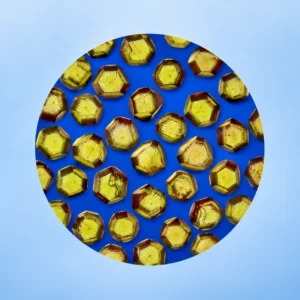
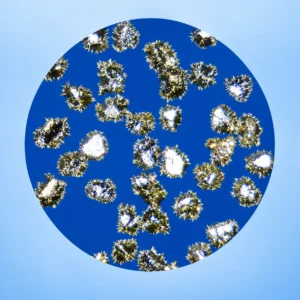
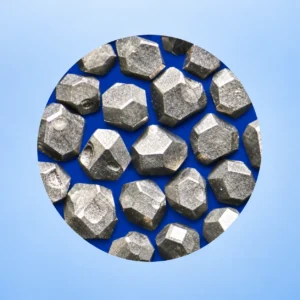
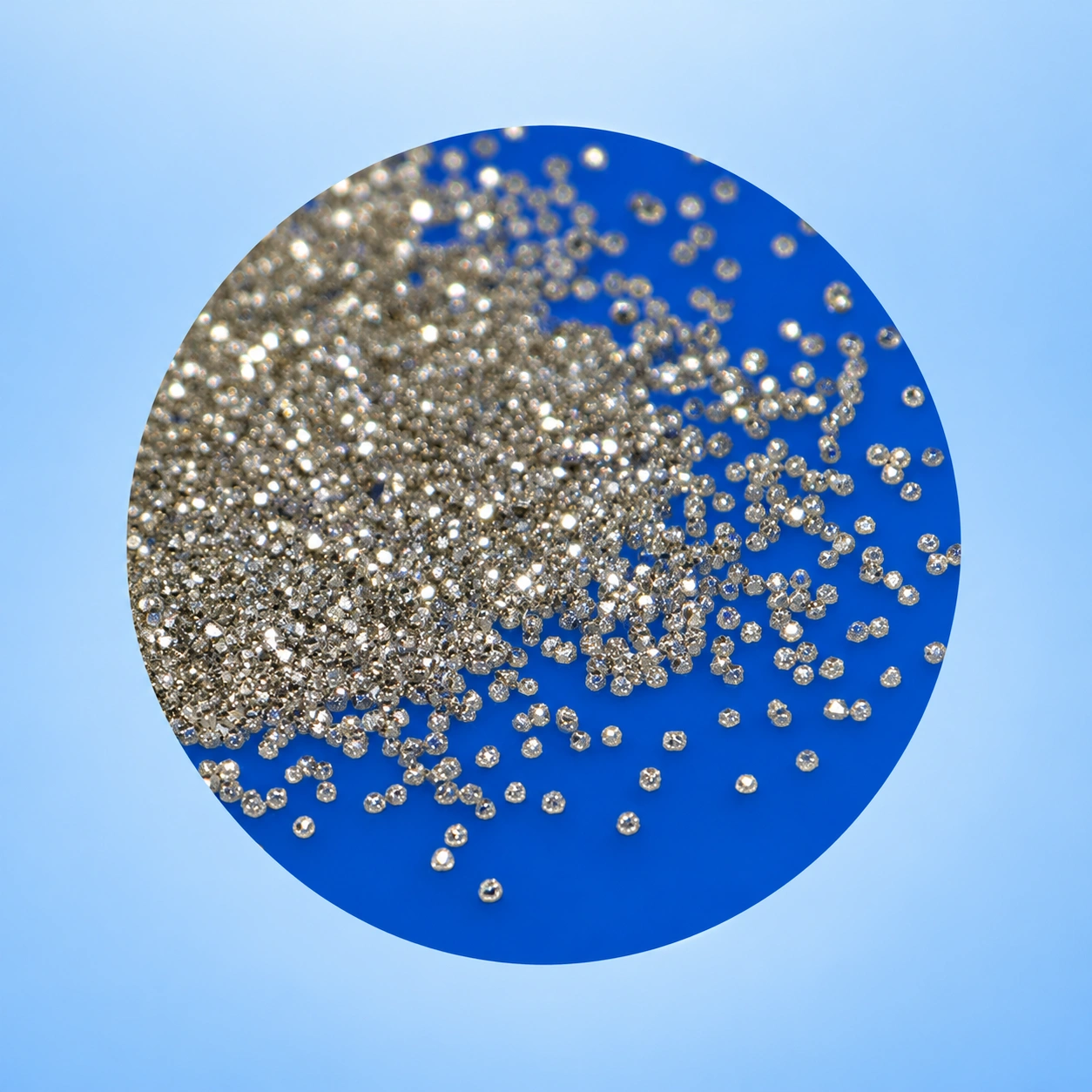
SinoDiam Titanium-Coated Diamond Grit is an industrial diamond abrasive with a titanium-based surface coating, positioned for manufacturers evaluating improved diamond–matrix interaction in metal-bond cutting, grinding and drilling tools.
The titanium coating is intended to modify the interface between the diamond crystal and the surrounding tool matrix. In a suitable manufacturing process, this surface treatment may support diamond wettability, interfacial bonding and abrasive retention, while helping manage selected chemical and thermal interactions during tool production.
Primary application directions include hot-pressed metal-bond diamond segments, sintered grinding wheels, selected cutting tools and compatible brazed diamond-tool formulations. Suitability depends on the base diamond grade, coating characteristics, matrix composition, processing temperature, holding time and atmosphere.
The historical SinoDiam catalogue describes the product as suitable for 325/400 mesh and coarser diamond grit, with examples such as 230/270 and 120/140 mesh. Current availability and the corresponding coating specifications must be confirmed for each requested size and base diamond grade.
A titanium surface layer can participate in interfacial reactions under certain manufacturing conditions. However, titanium-coated diamond is not identical to a separately specified titanium carbide (TiC)-coated product. The actual coating composition and any reaction products must be established through appropriate material characterization.
The coating should not be considered a universal protective barrier against oxidation, graphitization or diamond degradation. Its effectiveness depends on the coating continuity, chemistry, tool matrix and thermal processing environment.
SinoDiam recommends selecting coated diamond according to the complete abrasive-tool manufacturing system rather than coating material alone. Please provide the required mesh size, uncoated base grit, bond formulation, manufacturing process, estimated quantity and destination when requesting technical information.
Technical Specifications
The historical SinoDiam product listing provides example mesh designations, but current size availability and coating data require confirmation. No fixed coating thickness, titanium weight percentage, 800°C processing limit or guaranteed tool-life improvement is established by this overview. Actual specifications should be reviewed against the required grade and manufacturing process.
Titanium Coating Function & Diamond–Matrix Interface
Coated diamond abrasives are selected not only for the properties of the underlying diamond crystal but also for the interaction between the crystal surface, coating and tool matrix.
Diamond Surface Wettability
Titanium-based coatings can influence how suitable metallic constituents interact with the diamond surface. Effective wetting depends on the coating chemistry, matrix composition, oxide condition, atmosphere and processing temperature.
Interfacial Bonding
The coating may contribute to stronger diamond–matrix interaction under selected manufacturing conditions. The relevant mechanism can involve chemical reactions, interfacial layers and mechanical engagement; the actual interface should be verified for the tool formulation.
Crystal Protection During Processing
A suitable surface layer may reduce certain damaging interactions between diamond and reactive matrix constituents during manufacturing. Protection is conditional and does not imply complete prevention of oxidation, graphitization or thermal damage.
Diamond Retention in the Matrix
Improved interface behavior may help reduce premature diamond pull-out in some tool designs. Retention also depends on bond strength, diamond concentration, matrix wear, abrasive exposure and the cutting or grinding load.
Coating Integrity & Continuity
Coating distribution, local thickness, surface defects and thermal stability may influence product consistency. Relevant inspection methods include representative microscopy, coating analysis and suitable adhesion or tool-process tests.
Thermal Cycle & Atmosphere
The manufacturing atmosphere, heating rate, peak temperature and holding time may influence the coating and interface. A Ti-coated abrasive suitable for one sintering cycle may require additional validation in another process.
These are recognized coating-selection mechanisms, not verified performance results for every SinoDiam Ti-coated grade. The coating process and interfacial reaction products should be confirmed using current product documentation.
Recommended Applications
SinoDiam Titanium-Coated Diamond is primarily positioned for manufacturers developing or optimizing metal-bond abrasive tools. The following application directions require appropriate grit selection and manufacturing trials.
Hot-Pressed Metal-Bond Segments
Evaluate titanium-coated diamond in suitable hot-pressed cutting and grinding segments where the coating, metal powder formulation and thermal cycle are designed to work together. Review retention, matrix wear and diamond exposure.
Metal-Bond Grinding Wheels
For selected grinding wheel formulations requiring evaluation of diamond–matrix interaction. Choose the abrasive size and base diamond grade according to the workpiece, removal rate, wheel hardness and dressing requirements.
Stone Cutting Diamond Tools
Candidate use in suitable diamond tools for granite and other natural or engineered stone materials. Tool performance depends on the stone, segment design, bond wear, cooling and cutting conditions.
Concrete & Construction Tools
For technical trials in selected metal-bond construction cutting or grinding tools. Bond selection should account for aggregate abrasiveness, concrete composition, reinforcement and wet or dry operating conditions.
Brazed Diamond Tools
Potential application in compatible brazed or vacuum-brazed diamond tool formulations. The filler alloy, coating surface, oxide condition and brazing atmosphere must support the intended interfacial reaction and grain retention.
Selected Ceramic-Bond Tools
Secondary evaluation direction for appropriate ceramic or vitrified bond systems. Firing chemistry, temperature, coating behavior and grain retention must be established independently from metal-bond performance.
Applications are proposed technical evaluation directions. A Ti coating does not by itself establish suitability for every saw blade, grinding wheel, brazing alloy or vitrified firing cycle. Tool-specific cutting and grinding performance must be confirmed by trials.
Diamond Mesh Size Selection & Base Grit Requirements
Mesh size determines the abrasive particle-size class, while the base diamond grade influences crystal shape, toughness, fracture characteristics and the intended working conditions. Coating selection should be performed after defining these requirements.
What Should Be Checked Before Selecting a Size?
Base Diamond Grade: Identify whether the intended product uses a metal-bond diamond grit, saw grit or another suitable abrasive grade. Coating a different base crystal may change its suitability.
Nominal Mesh Designation: Specify the requested mesh using the relevant grading convention. For historical SinoDiam catalogue references, examples include 325/400, 230/270 and 120/140 mesh, but current offering must be confirmed.
Coating Content: Request the actual weight percentage, thickness or other specification applicable to the requested grit size. A titanium coating level from another manufacturer’s catalogue cannot be used as a SinoDiam specification.
Finished Particle Size: Coating changes the external dimensions and mass of the diamond particle. The appropriate grading and inspection basis should be agreed if finished coated-particle size is important to the tool design.
Tool Concentration: Determine whether tool formulation quantities are calculated using coated particle weight or diamond content. Coating mass can affect these calculations.
Matrix Compatibility: Verify whether the selected diamond size and coating type suit the proposed alloy, pressure, processing atmosphere and tool construction.
The full current mesh-size supply list and coating specification have not yet been verified for this product revision. Contact SinoDiam before listing individual mesh fractions as guaranteed stock or standard availability.
Bond Compatibility & Tool Manufacturing Considerations
Metal-bond, ceramic-bond and resin-bond tools use different matrix chemistries and production cycles. Ti coating should be matched to the intended process rather than presented as universally compatible.
Metal Bond — Primary Focus
Titanium-coated diamond is a relevant candidate for selected metal-bond cutting and grinding formulations. The composition and reactivity of the matrix, sintering conditions and intended diamond exposure must be evaluated together.
Hot Pressing & Sintering
Temperature, dwell time, pressure, alloy composition and processing atmosphere influence interfacial reactions. The maximum suitable processing temperature must be determined for the actual coating and matrix.
Vacuum Brazing & Active Alloys
Some brazing processes may benefit from suitable diamond interface chemistry. However, titanium oxidation, filler-metal wetting and brazing atmosphere can alter the result. Confirm compatibility with the proposed alloy and process.
Ceramic / Vitrified Bonds
Secondary evaluation route. Vitrified processing may introduce conditions different from metal sintering. Verify coating reactions, firing temperature, bond adhesion and crystal integrity before adoption.
Resin-Bond Tools
Titanium coating is not automatically the preferred option for resin matrices. Nickel-coated products, particularly grades with suitable surface texture, may be considered depending on the resin chemistry and retention requirements.
Tool Performance Qualification
Compare coated and uncoated diamond at the same base grit, size, concentration and tool formulation. Evaluate crystal pull-out, working protrusion, cutting rate, wear and cost per workpiece.
The preferred bond system is an application-specific selection decision. Neither Ti coating nor another treatment provides an automatic tool-life or thermal-stability guarantee.
How to Compare Titanium-Coated Diamond with Other Abrasives
When comparing SinoDiam Ti-coated diamond with uncoated grit or competing coated products, evaluate the coating specification and finished-tool results separately.
01 / Coated vs. Uncoated Grit
Use the same diamond base grade and mesh size wherever possible. Review coating continuity, matrix interaction and abrasive pull-out after tool manufacturing and representative use.
02 / Titanium Content & Thickness
Compare measured coating characteristics using compatible reporting methods. Coating weight percentage and physical layer thickness describe different aspects of the surface treatment.
03 / Processing Conditions
Compare manufacturing atmosphere, peak temperature, holding time and matrix composition. A test result from one tool construction may not apply to another.
04 / Finished-Tool Performance
Evaluate retention, cutting or grinding rate, diamond exposure, segment wear and operating cost under equivalent production and workpiece conditions. No fixed improvement should be assumed in advance.
Titanium (Ti) vs. Titanium Carbide (TiC) vs. Nickel Coatings
| Surface Treatment | Technical Characteristic | Main Evaluation Direction | ||
|---|---|---|---|---|
| Titanium (Ti) | Titanium-based metallic surface coating | Metal-bond interfaces, wetting and thermal-process compatibility | ||
| Titanium Carbide (TiC) | Specified carbide-based surface layer | Applications requiring different interfacial chemistry or carbide surface characteristics | ||
| Nickel N30 | Nickel-coated diamond; coating specification to confirm | Selected multi-bond and grain-retention applications | ||
| Nickel N56 | Nickel-coated diamond with catalogue-described spiny surface | Selected resin and ceramic tool formulations requiring mechanical surface anchoring | ||
This comparison describes coating technologies and intended selection directions. It does not establish direct equivalence, universal bond suitability or a quantitative performance ranking. The chemical identity of an interface reaction layer must not be confused with the nominal coating specification.
SinoDiam Coated & Surface-Treated Diamond Selection
SinoDiam provides several diamond-surface approaches for different manufacturing systems. Choose the surface treatment according to the base diamond, bond chemistry, process conditions and required abrasive retention.
Current Product
Explore Other Coatings & Treatments
Coating names identify different treatment types, not guaranteed levels of durability or tool-life improvement. Surface-etched diamond is included in this selection guide but is not a metal-coated product. Confirm individual specifications before changing an existing production formulation.
Frequently Asked Questions
1. What is titanium-coated diamond grit?
2. Why is titanium applied to industrial diamond?
3. Is Ti-coated diamond the same as TiC-coated diamond?
4. Which bond systems are suitable for titanium-coated diamond?
5. Can Ti-coated diamond be used for hot-pressed metal-bond segments?
6. Can titanium-coated diamond be used in brazed diamond tools?
7. What mesh sizes are available?
8. What is the titanium coating percentage or thickness?
9. Can titanium coating prevent diamond oxidation and graphitization?
10. Is titanium-coated diamond guaranteed to withstand 800°C?
11. Does titanium-coated diamond guarantee longer tool life?
12. Is titanium coating always better than nickel coating?
13. Is a titanium coating suitable for resin-bond grinding wheels?
14. What tests are useful when comparing Ti-coated and uncoated diamond?
15. What should I provide for a titanium-coated diamond quotation?
SINODIAM INTERNATIONAL · COATED DIAMOND TECHNICAL SUPPORT
Request Titanium-Coated Diamond Specifications & Quotation
Looking for titanium-coated industrial diamond grit for metal-bond cutting segments, sintered grinding wheels, stone-processing tools or compatible brazed-tool manufacturing?
Share your required mesh size, base diamond grade, metal matrix composition, manufacturing process, temperature and atmosphere requirements, target workpiece, expected quantity and destination country.
SinoDiam can discuss the current Ti-coated diamond specification, available mesh grades and the technical information needed for comparative tool-manufacturing trials.