
SinoDiam International · Specialty Diamond Materials

Surface-engineered diamond for demanding processes.

Explore metallic-coated and surface-treated diamond abrasives, alongside diamond compound pastes for precision lapping and polishing. Select by bond system, abrasive behavior and your workpiece—not by a product name alone.

Metallic CoatingsSurface TreatmentsPrecision PolishingChina & Thailand
Two specialty material pathways Technical overview
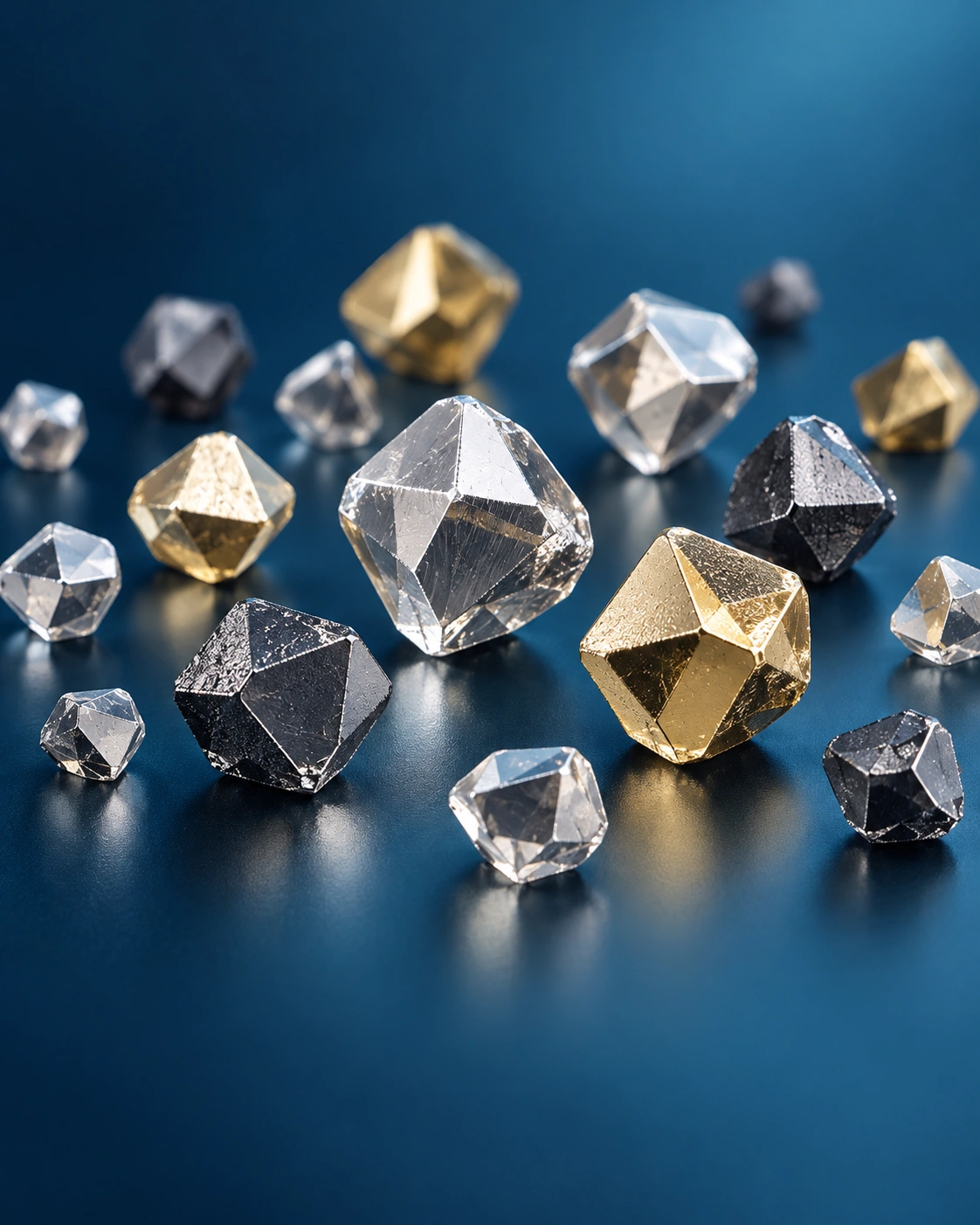
Illustrative macro photograph of metallic-coated and surface-treated synthetic diamond crystals
Surface engineeringTi · Ni N30 · Ni N56 · TiC · Etched
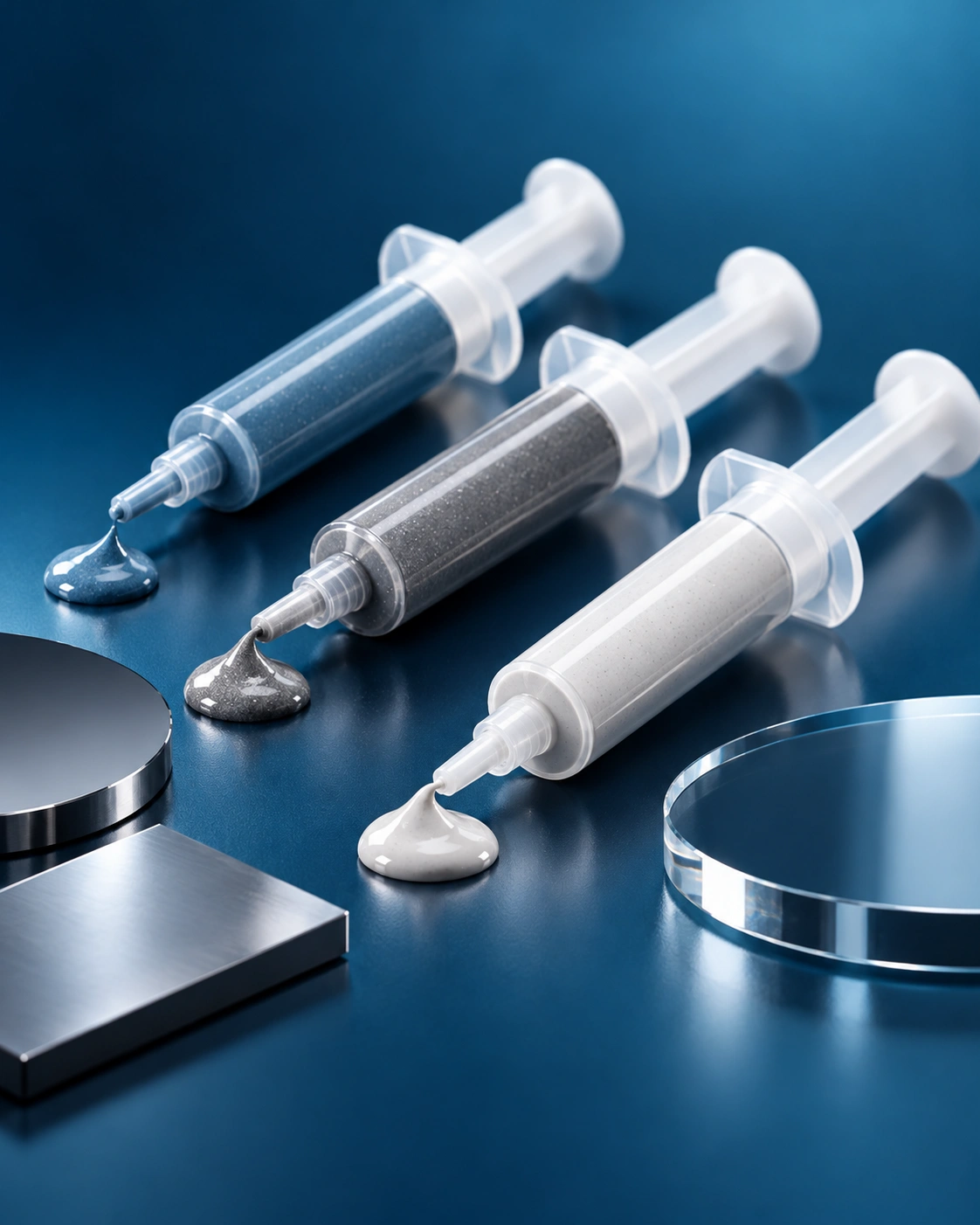
Illustrative photograph of syringe applicators containing diamond lapping and polishing compounds
Diamond compoundsOil-soluble · Water-soluble
Bond compatibility · particle retentionCarrier · micron size · finish

01 / Specialty product families

Different challenges. Different material systems.

One family modifies the surface of diamond grit for a specific tool matrix. The other combines fine abrasive particles with a carrier for lapping and polishing processes.

TiNi N30Ni N56TiCEtched

Surface treatment & bonding

Metallic-Coated & Surface-Treated Diamond

Explore diamond crystals with titanium, nickel or titanium-carbide coatings, alongside mechanically distinct surface-etched grades. Compare treatment type, particle-size requirements and bond-system suitability.

Evaluation focus: particle retention, matrix compatibility, tool processing conditions and target workpiece.

Explore Metallic Coating Products
Oil-basedWater-basedMicron diamond

Fine lapping & polishing

Diamond Compound Pastes

Diamond abrasives dispersed in oil-soluble or water-soluble carriers for selected precision finishing workflows. Evaluate carrier compatibility, particle size, diamond concentration, cleanup and desired surface quality.

Evaluation focus: substrate, polishing stage, tooling medium, residue sensitivity and cleaning requirements.

Explore Diamond Compound Products
Important distinction: Surface-etched diamond is a surface-texturing treatment, not a metallic coating. Paste carrier selection is also different from selecting a diamond crystal coating.

02 / Diamond surface technologies

Five treatments. Select for the tool system.

These materials are evaluated for different bonding and processing conditions. Descriptions below are selection starting points—not guaranteed performance improvements or universal substitutions.

TREATMENT 01 / Ti

Titanium-Coated Diamond

Metallic coating

Consider for selected metal- and ceramic-bond formulations, hot-press tooling and applications where interaction with the tool matrix matters.

View Titanium-Coated Diamond ↗
TREATMENT 02 / Ni N30

Nickel N30

Nickel coating

Review for multi-bond abrasive-tool systems. Confirm the nickel coating specification, manufacturing conditions and required particle retention.

View Nickel N30 ↗
TREATMENT 03 / Ni N56

Nickel N56

Textured nickel coating

A spiny nickel surface is a relevant consideration for selected resin- and ceramic-bond tools where mechanical particle retention is important.

View Nickel N56 ↗
TREATMENT 04 / TiC

Titanium Carbide-Coated Diamond

Carbide surface layer

Evaluate TiC-coated grains when the tool's bond formulation and processing conditions call for this surface chemistry. Verify workpiece compatibility by testing.

View TiC-Coated Diamond ↗
TREATMENT 05 / Etched

Surface-Etched Diamond

Non-metallic surface treatment

Etching modifies particle surface texture rather than adding a metallic layer. Consider it where surface anchoring behavior is relevant to the tool matrix.

View Surface-Etched Diamond ↗
MaterialSurface approachTypical evaluation focusConfirm before selecting
Titanium (Ti)Metallic surface coatingMetal / ceramic bond tools, thermal processingDiamond mesh size, tool matrix, process cycle
Nickel N30Nickel-coated grainMulti-bond formulations and grit retentionCoating specification, bonding conditions
Nickel N56Nickel-coated, spiny textureResin / ceramic bond and surface anchoringCoating content, wheel formulation, size
Titanium CarbideTiC surface layerSpecialized surface chemistry and tool formulationTemperature, bond system, workpiece
Surface-EtchedSurface texture modification; no metal layerParticle anchoring and morphologySurface condition, bond type, tool design

Technical guidance only. Available mesh ranges, coating contents and temperature limits depend on the specific product grade and must be confirmed using the relevant product specification.

03 / Diamond compound paste selection

Choose the carrier around your polishing workflow.

Oil-soluble and water-soluble products are different carrier systems. The appropriate option depends on the tool, substrate, finish and cleaning process—not on carrier alone.

Compound family A

Oil-Soluble Diamond Compound

Consider an oil-based carrier for suitable hand-finishing, die polishing and precision lapping operations where the carrier's handling and lubrication characteristics fit the process.

  • Review the target substrate and lapping medium.
  • Specify diamond/abrasive type, micron size and concentration.
  • Confirm compatibility with the cleaning and inspection process.
Explore Oil-Soluble Compound ↗

Compound family B

Water-Soluble Diamond Compound

Consider a water-soluble carrier when the finishing route calls for a compatible water-based system or different post-polishing cleaning requirements.

  • Check workpiece, fixture and carrier compatibility.
  • Confirm micron distribution and concentration options.
  • Evaluate surface finish, cleanup and residue requirements.
Explore Water-Soluble Compound ↗
Series naming: Product documentation has used different codes for some water-soluble compounds. Confirm the exact series number, micron range and available formulation against the current technical data before quoting.

04 / Material selection workflow

Start with the workpiece and process.

A diamond coating or polishing compound should be evaluated as part of the full abrasive system.

01
Identify the application. Cutting, grinding, lapping, polishing, hot pressing or other abrasive processing.
02
Describe the bond or carrier. Metal, ceramic/vitrified, resin, oil-soluble or water-soluble.
03
Specify the material. Coating type, diamond grade, grit/mesh size or compound concentration.
04
Validate in your process. Review particle retention, removal rate, surface finish, wear and cleaning results.

05 / Application-driven considerations

Designed around industrial manufacturing needs.

Different customers may use specialty diamond products for entirely different reasons. The right choice remains application-specific.

01

Bonded Abrasive Tool Production

Review coated grain retention and bonding compatibility for selected metal, ceramic and resin abrasive systems.

02

Hot-Press & Tool Processing

Evaluate coating selection together with the metal/ceramic matrix and manufacturing cycle.

03

Grinding Wheel Formulation

Compare nickel-coated and other treated grains according to wheel design and desired abrasive behavior.

04

Carbide & Die Finishing

Match polishing compounds with surface finish, substrate and the selected abrasive particle size.

05

Precision Lapping & Polishing

Consider oil- or water-based compound carriers according to cleaning and process requirements.

06

Custom Abrasive Formulations

Discuss grade, size, treatment, carrier and tool-design requirements before starting a production trial.

06 / Manufacturing & processing

Industrial diamond capabilities in China and Thailand.

SinoDiam brings product development, material processing and international supply experience to specialty abrasive inquiries.

ZHENGZHOU · CHINA

SinoDiam International

Operations in China include industrial diamond product development, manufacturing and specialized processing activities, including technical discussion of diamond coating and abrasive formulation requirements.

PATHUM THANI · THAILAND

Thaimond Superabrasives Co., Ltd.

Thailand operations include processing related to crushed diamond, micron diamond powders and selected coated diamond materials. Product availability and processing origin must be checked by item and order.

Country of manufacture, coating process, product specifications, supporting documents and commercial terms depend on the individual product and order. Confirm specific origin or documentation needs before purchasing.

07 / Technical questions

Questions from abrasive toolmakers and polishing teams.

These answers are a starting point for evaluation; the exact material specification must be checked for your process.

What is the difference between coated and uncoated diamond?

Coated diamond has an additional surface layer selected to interact with a tool matrix or processing environment. Suitability depends on coating chemistry, particle size, bond system and operating conditions. An uncoated grade may remain appropriate for other designs.

Are N30 and N56 nickel-coated diamonds interchangeable?

No automatic interchangeability should be assumed. Their coating characteristics and target bond systems differ. Compare the actual nickel-coating specification, surface texture, grain size and tool requirements before conducting trials.

Is surface-etched diamond a metallic coating?

No. Surface etching modifies the texture of the diamond crystal rather than adding a metallic layer. It should be assessed separately from titanium, nickel or titanium-carbide coating options.

How do I select oil-soluble versus water-soluble diamond paste?

Begin with the workpiece and polishing stage, then consider carrier compatibility, application method, required finish and cleanup. Confirm abrasive particle size, concentration and formulation details for the chosen product.

Does a diamond coating guarantee longer tool life?

No. A coating is one factor in a full tool system. Any improvement must be verified in the actual bond formulation, workpiece, processing cycle and working conditions.

What should I provide for a specialty diamond quotation?

Share the application, workpiece, tool or bond system, preferred coating or paste carrier, grade and mesh/micron size if known, estimated quantity, destination and any required supporting documentation.

08 / Talk to SinoDiam

Choose a specialty diamond material for your process.

Whether you are evaluating a surface coating for a bonded abrasive tool or a diamond compound for precision polishing, share your technical requirements. We can discuss suitable SinoDiam product options and quotation details.

Scroll to Top