Polycrystalline Diamond (PCD) Tool Blanks
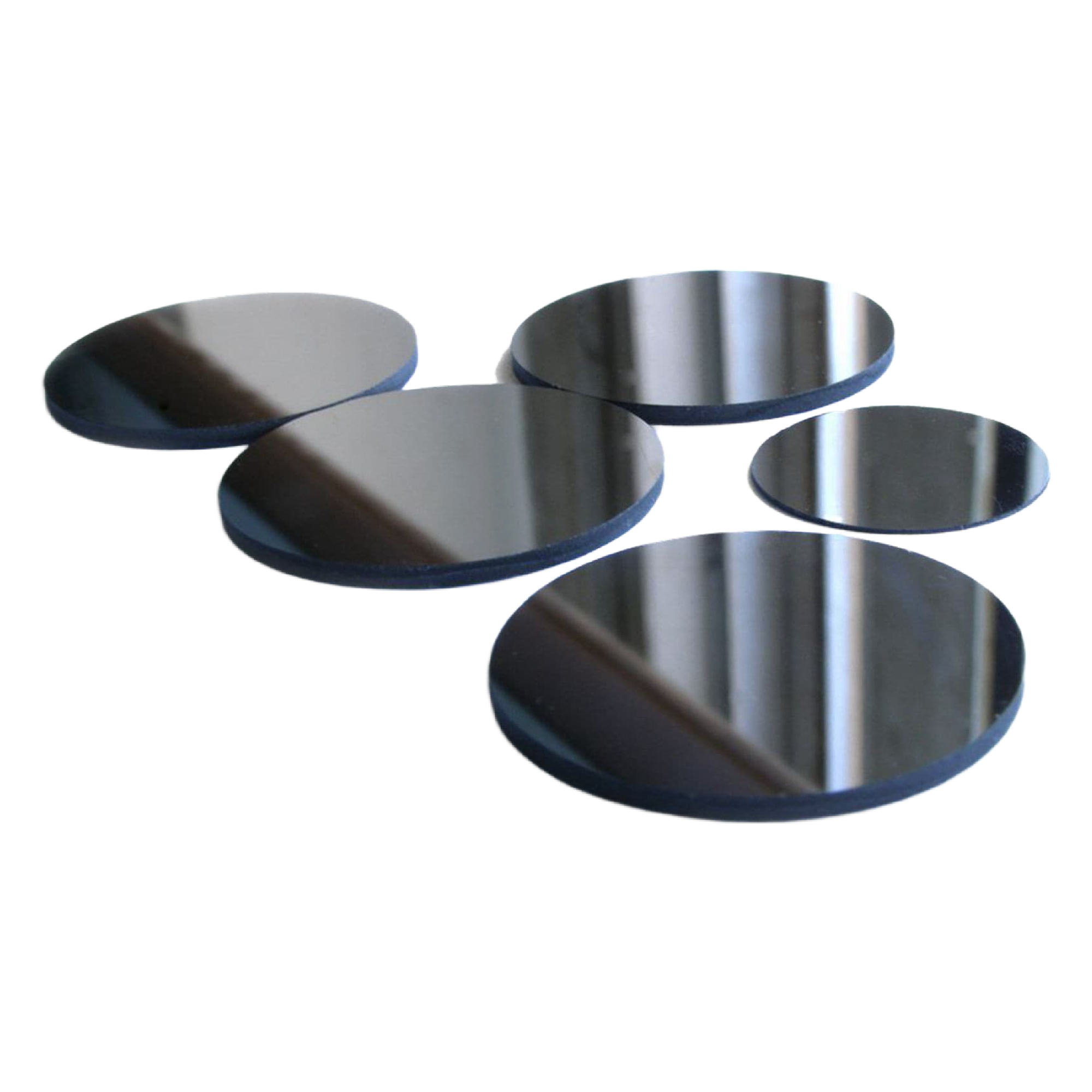
SinoDiam polycrystalline diamond (PCD) tool blanks are engineered for precision machining applications involving non-ferrous metals, abrasive alloys and selected non-metallic materials. The PCD material combines diamond particles into a consolidated cutting structure designed for high wear resistance and consistent machining performance.
Our SDPD series covers multiple nominal grain-size families, from coarser grades for demanding wear conditions to fine and ultra-fine grades for precision-oriented machining. Selection should consider workpiece material, cutting edge geometry, tool construction and required surface finish.
01 / PRODUCT OVERVIEW
PCD Materials for Precision Machining
Polycrystalline diamond is a synthetic superhard material made by consolidating diamond particles under high-pressure, high-temperature conditions. Its interconnected diamond structure provides excellent hardness, wear resistance and thermal conductivity.
PCD tool blanks are used by cutting-tool manufacturers to produce inserts, cutting edges and other precision tooling. Depending on the workpiece and machining operation, PCD can support stable cutting performance, extended tool life and high-quality surface finishes.
02 / TECHNICAL SPECIFICATIONS
Standard PCD Blank Specifications
The following specifications summarize the currently identified standard PCD blank dimensions. Confirm the required configuration when requesting a quotation.
Note: Available dimensions and grade configurations should be confirmed against the latest technical specification and order requirements. Grain-size designations are nominal grade references.
03 / SDPD GRADE PORTFOLIO
Explore Nine SinoDiam PCD Grades
SinoDiam provides nine SDPD grade variants across five nominal grain-size families. Each grade should be evaluated according to the intended machining application and tool requirements.
SDPD032-A
Coarser-grain PCD grade for applications where wear resistance and machining stability are important selection considerations.
SDPD032-B
Alternative grade variant within the coarser-grain family. Confirm its specific performance characteristics against the applicable technical data.
SDPD025-A
Medium-grain PCD option for applications requiring a balance between wear performance, cutting-edge requirements and machining consistency.
SDPD025-B
Alternative medium-grain grade variant. Selection should consider workpiece abrasiveness, tool design and required cutting performance.
SDPD012-A
Intermediate grain-size option for precision machining applications where both cutting-edge requirements and wear performance need to be considered.
SDPD010-A
Fine-grain PCD grade for precision-oriented cutting-tool applications. Evaluate edge geometry and machining conditions when selecting this grade.
SDPD010-B
Alternative fine-grain grade variant for application-specific tool manufacturing and precision machining requirements.
SDPD010-C
Additional fine-grain grade option. Confirm grade-specific properties and suitability for the intended cutting operation before final selection.
SDPD005-A
Ultra-fine-grain PCD option for precision-focused applications where fine cutting-edge geometry and surface finish are important considerations.
04 / MATERIAL CHARACTERISTICS
Key Performance Characteristics of PCD
High Hardness and Wear Resistance
The diamond-rich structure provides exceptional hardness and abrasion resistance, supporting extended tool life in suitable machining applications.
Thermal Conductivity
Diamond’s high thermal conductivity helps transfer heat away from the cutting region. Actual cutting performance depends on tool design and operating conditions.
Cutting-Edge Quality
Appropriate grain-size selection and edge preparation can support the cutting-edge requirements of precision machining applications.
Surface-Finish Potential
With suitable tool geometry, machining parameters and workpiece compatibility, PCD tools can deliver consistent surface quality and dimensional accuracy.
05 / INDUSTRIAL APPLICATIONS
Recommended Applications of PCD Tool Blanks
Aluminum Alloy Machining
Turning, milling and finishing of aluminum alloys, including selected high-silicon aluminum applications.
Copper and Non-Ferrous Metals
Precision machining of copper and other non-ferrous materials where wear resistance and surface quality are important.
Graphite Machining
Cutting and finishing of graphite components used in industrial, electrical and specialized manufacturing.
Fiber-Reinforced Composites
Selected CFRP, GFRP and other abrasive composite materials, subject to the specific fiber system and tool design.
Engineering Plastics
Precision machining of selected abrasive or filler-reinforced engineering plastics.
Wood-Based Composite Materials
Selected wood-based panels and composite materials where abrasive wear is a key tool-life consideration.
06 / APPLICATION-BASED SELECTION
How to Select the Right PCD Grade
Identify the Workpiece Material
Define the material type, alloy composition, hardness, abrasiveness and any reinforcing fillers or fibers.
Define the Machining Operation
Identify turning, milling, boring or other operations, together with cutting speed, feed rate and depth of cut.
Determine Grain-Size Requirements
Consider the balance between wear requirements, edge geometry, machining stability and the desired surface finish.
Confirm Blank and Tool Specifications
Verify blank diameter, height, diamond layer thickness, finished tool geometry and manufacturing requirements.
07 / MATERIAL SELECTION
PCD vs. PCBN: Understanding the Difference
PCD and PCBN are both superhard cutting materials, but their application ranges differ significantly. Selecting the right material starts with the workpiece.
Polycrystalline Diamond (PCD)
Diamond-based cutting material for abrasive non-ferrous and selected non-metallic workpieces.
- Aluminum and selected aluminum-silicon alloys
- Copper and other non-ferrous metals
- Graphite and abrasive composites
- Selected plastics and wood-based materials
Selection focus
Grain size, wear requirements, cutting-edge geometry and workpiece abrasiveness.
Polycrystalline Cubic Boron Nitride (PCBN)
CBN-based cutting material for demanding ferrous-metal machining applications.
- Hardened steels
- Cast iron
- Selected powder metallurgy materials
- Selected high-temperature alloy applications
Selection focus
Workpiece hardness, cutting temperature, machining operation and insert geometry.
This comparison is a general material-selection guide. Final suitability should be confirmed for the actual workpiece, cutting conditions and tool construction.
For hardened steel and cast iron machining,
explore our
SinoDiam PCBN Tool Blanks
to compare suitable cutting material options.
08 / TECHNICAL FAQ
Frequently Asked Questions About PCD Tool Blanks
What is a PCD tool blank?
A PCD tool blank is a polycrystalline diamond material supplied for cutting-tool manufacturing. Toolmakers process the blank into inserts, cutting edges and other precision tooling.
What grain sizes are available in the SinoDiam SDPD series?
The current SDPD portfolio covers five nominal grain-size families: 30+2 μm, 25 μm, 10+2 μm, 10 μm and 5 μm.
What is the difference between SDPD032, SDPD025 and SDPD010?
These grade families have different nominal diamond grain-size designations. Grain size influences the cutting-edge and wear-related considerations of PCD tool design. The best choice depends on the workpiece and machining requirements.
Can PCD be used for machining hardened steel?
PCD is generally not the preferred material for conventional hardened-steel machining because diamond can experience significant chemical wear when cutting ferrous materials. PCBN is generally considered for these applications.
What standard PCD blank dimensions are available?
The currently identified standard blank diameter is 48.0 mm, with a diamond layer thickness of 0.5 ± 0.15 mm. Available blank heights include 1.0, 1.2, 1.6, 2.0, 2.5 and 3.2 mm. Please confirm the required configuration before ordering.
What is the difference between the A, B and C grade suffixes?
The suffixes identify different SinoDiam grade variants within the corresponding grain-size family. Their specific performance characteristics should be compared using the relevant grade technical data rather than assuming that the suffix indicates a quality ranking.
What information is required for a PCD quotation?
Please provide the required SDPD grade, blank diameter, height, diamond layer thickness, estimated quantity, application and delivery destination. A tool drawing or technical specification is helpful when available.
Can SinoDiam help recommend a suitable PCD grade?
Yes. Share your workpiece material, machining operation, cutting conditions and required tool dimensions. SinoDiam can help evaluate suitable grade options and technical requirements.
Looking for the Right PCD Grade for Your Application?
Contact SinoDiam for PCD grade selection, blank dimensions and technical specifications. Share your application details and required quantities so our team can help evaluate a suitable solution.