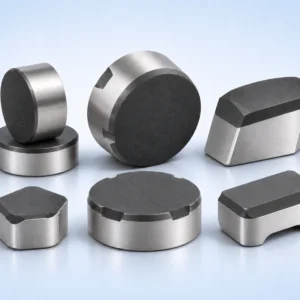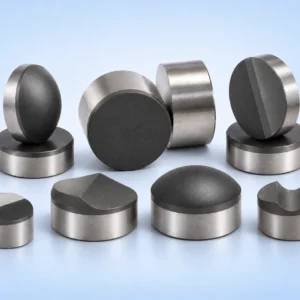
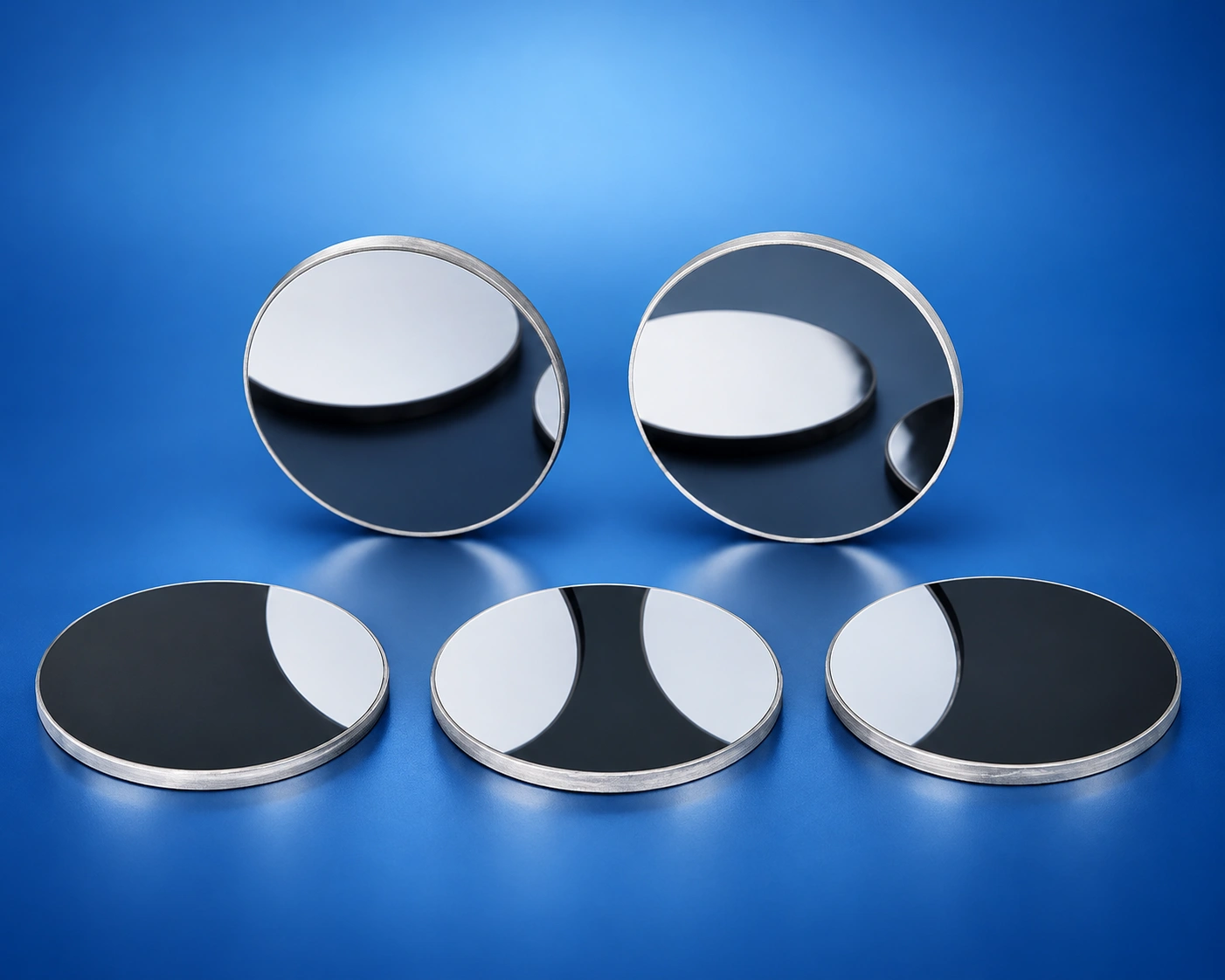
Polycrystalline Cubic Boron Nitride (PCBN) Tool Blanks
SinoDiam polycrystalline cubic boron nitride (PCBN) reference materials are intended for cutting-tool manufacturers evaluating high-hardness ferrous machining. PCBN combines sintered cubic boron nitride particles with an engineered material structure for applications where abrasion, cutting heat and edge stability influence tool performance.
The current PCBN listing includes nine reference models across HC, HCF, HB and LC groups, with layered and full-thickness reference constructions. Workpiece hardness, cutting continuity, tool geometry and the current grade datasheet must all be considered before final selection.
01 / MATERIAL OVERVIEW
PCBN Cutting Materials for Demanding Ferrous Machining
Polycrystalline cubic boron nitride is a consolidated superhard cutting material made from CBN crystals, with material construction varying by grade. It is commonly used for selected hardened steels, cast irons and iron-based powder-metallurgy workpieces.
Compared with PCD cutting materials, PCBN is generally considered where ferrous workpiece chemistry and elevated cutting temperatures make diamond tooling less suitable. Grade performance is controlled by more than hardness alone: CBN content, binder system, particle structure, edge preparation and interrupted-cutting behavior can all matter.
02 / TECHNICAL SPECIFICATIONS
PCBN Blank Reference Specifications
These values are carried forward from the current SinoDiam product listing as reference information. Confirm each model’s latest nominal dimensions, tolerances, construction and availability before quoting or ordering.
Dimensions shown are nominal, in millimeters. The original page uses the label “Diamond Layer”; this edition uses “PCBN layer” for layered grades and “overall thickness” for HB reference forms. No unverified abrasive-ratio claims are reproduced.
03 / PRODUCT MODEL PORTFOLIO
Explore Nine SinoDiam PCBN Reference Models
Review the listed HC, HCF, HB and LC configurations by construction and nominal dimension. These designations are not intended as a universal quality or toughness ranking.
HC1303
Listed dimensions: Diameter 13.5 mm · PCBN layer 0.8–1.0 mm · overall height 3.2 mm.
Reference grade for grey cast iron, ferrous powder metallurgy and selected heat-resistant alloy applications; final suitability requires testing.
HCF1304
Listed dimensions: Diameter 13.5 mm · PCBN layer 0.8–1.0 mm · overall height 4.5 mm.
Reference option for difficult cast-iron conditions and iron-based sintered parts where edge integrity and fracture resistance must be evaluated.
HC3201
Listed dimensions: Diameter 32.0 mm · PCBN layer 0.8–1.0 mm · overall height 1.6 mm.
Reference round blank for precision cutting of selected cast irons and heat-treated alloys; verify tool construction and cutting regime.
HC3202
Listed dimensions: Diameter 32.0 mm · PCBN layer 0.8–1.0 mm · overall height 2.4 mm.
Reference round blank for machining selected chilled and grey cast irons and high-speed steels under validated conditions.
HB0903
Listed dimensions: Diameter 9.55 mm · listed full thickness 3.18 mm.
Solid PCBN reference form without a stated cemented-carbide backing; the original listing notes two usable faces subject to tool design.
HB1204
Listed dimensions: Diameter 12.7 mm · listed full thickness 4.76 mm.
Full-thickness PCBN reference form for selected cast-iron and hardened ferrous machining; confirm substrate construction and two-sided use before tool fabrication.
LC1303
Listed dimensions: Diameter 13.5 mm · PCBN layer 0.8–1.0 mm · overall height 3.2 mm.
Reference layered grade for selected chilled steel, grey or hard cast iron and sintered-metal machining; confirm the grade data.
LC3201
Listed dimensions: Diameter 32.0 mm · PCBN layer 0.8–1.0 mm · overall height 1.6 mm.
Reference round blank for grey cast iron and iron-based powder-metallurgy workpieces; cutting conditions determine suitability.
LC3203
Listed dimensions: Diameter 32.0 mm · PCBN layer 0.6–0.8 mm · overall height 3.2 mm.
Reference layered material for selected hard cast iron, chilled steel and cast-alloy applications; verify the intended grade and edge design.
04 / CUTTING MATERIAL CHARACTERISTICS
Key Performance Considerations for PCBN
High Hardness and Wear Resistance
Sintered PCBN cutting materials are candidates for abrasive and high-hardness ferrous workpieces. Wear behavior depends on CBN content, binder, edge geometry and cutting conditions.
Heat and Chemical Wear Considerations
PCBN is widely used for demanding ferrous machining because of its thermal and chemical behavior. Performance limits must be assessed for the particular material system.
Edge Integrity and Fracture Resistance
Continuous and interrupted cutting place different demands on edge preparation and toughness. Grade selection should account for chipping, notch wear and tool-support conditions.
Surface Finish and Dimensional Control
With suitable tool construction and stable machining parameters, PCBN can support controlled finishing and repeatable part dimensions.
05 / INDUSTRIAL APPLICATIONS
Typical Workpiece Applications for PCBN Blanks
Hardened Steel Turning
Precision turning of selected case-hardened and through-hardened steels, where hardness, interruption level and edge geometry govern grade choice.
Grey Cast Iron Machining
Machining of grey iron components, including selected automotive parts, where abrasive wear and productivity are important.
Hard and Chilled Cast Iron
Selected hard or chilled iron workpieces requiring careful assessment of impact loading, edge strength and thermal conditions.
Powder-Metallurgy Components
Selected iron-based sintered parts and powder-metallurgy materials with application-specific tool and binder requirements.
Tool and Die Materials
Selected hardened tool steels and die materials, subject to cutting method, heat treatment and chip-load requirements.
Selected Heat-Resistant Alloys
Certain specialized alloys may be evaluated for PCBN cutting, but suitability is not universal and must be confirmed by trial.
06 / APPLICATION-BASED SELECTION
How to Select a Suitable PCBN Grade and Construction
Identify Workpiece and Hardness
Record material specification, heat treatment, hardness, abrasiveness and any interrupted surfaces.
Define the Cutting Operation
Provide turning, milling or finishing requirements, cutting speed, feed, depth of cut and coolant regime.
Select Construction and Grade
Determine whether a layered or solid reference format is suitable; assess CBN/binder characteristics and required edge toughness.
Confirm Dimensions and Validation
Check blank diameter, overall height, PCBN layer or solid thickness, tool drawings and application-test results.
07 / MATERIAL SELECTION
PCBN vs. PCD: Match the Cutting Material to the Workpiece
PCBN and PCD are both polycrystalline cutting materials, but their typical machining applications differ. Selection starts with the workpiece and cutting regime rather than the material acronym.
Polycrystalline Cubic Boron Nitride (PCBN)
CBN-based cutting material for suitable high-hardness and iron-based workpieces.
- Case-hardened and through-hardened steels
- Selected grey, hard and chilled cast irons
- Iron-based sintered or powder-metallurgy materials
- Selected heat-resistant and tool-steel operations
Selection focus
CBN grade, workpiece hardness, cut interruption, edge strength and cutting temperature.
Polycrystalline Diamond (PCD)
Diamond-based cutting material for abrasive non-ferrous and selected non-metallic workpieces.
- Aluminum and selected aluminum-silicon alloys
- Copper and other non-ferrous alloys
- Graphite and selected abrasive composites
- Selected engineering plastics and wood composites
Related product
Read the SinoDiam PCD tool blanks page for the SDPD grade portfolio.
General material-selection guidance only. Suitability and achievable surface finish require actual machining validation.
08 / TECHNICAL FAQ
Frequently Asked Questions About PCBN Cutting Materials
What is a PCBN cutting material blank?
A PCBN blank is a sintered polycrystalline cubic boron nitride cutting material used by tool manufacturers to produce tips or inserts for suitable machining operations.
How is PCBN different from loose CBN abrasive grit?
CBN grit consists of discrete abrasive particles used in bonded or plated grinding tools. PCBN is a consolidated cutting material for inserts, tips and other cutting-tool forms; the products are not interchangeable.
Is PCBN suitable for hardened steel?
PCBN is commonly evaluated for hardened-steel machining, especially hard turning. The right grade depends on hardness, cutting continuity, edge geometry and the actual cutting conditions.
Can PCBN machine grey and hard cast iron?
Selected PCBN grades can be used for grey, hard and chilled cast irons. Grade choice and machining parameters need to be matched to the cast-iron structure and operating conditions.
What is the difference between layered and full-thickness PCBN references?
Layered PCBN has a PCBN cutting layer on a supporting substrate. The HB model listing gives equal thickness and total height values, but its exact solid or supported construction must be confirmed using the latest drawing.
Why does the new specification use PCBN layer instead of diamond layer?
PCBN is based on cubic boron nitride, not diamond. A supported composite may have a PCBN layer, while a full-thickness reference is described by its overall thickness pending construction confirmation.
Do HC, HCF, HB and LC indicate guaranteed performance rankings?
No. They are reference model families in the current product listing. Do not infer a universal grade hierarchy or performance value without the corresponding SinoDiam technical data.
What information should I provide for a PCBN quotation?
Please send the model code or required construction, workpiece material and hardness, machining operation, blank dimensions, expected quantity, destination and any available drawings or test conditions.
Need Help Selecting a PCBN Grade or Blank Size?
Share your workpiece material and hardness, machining process, grade reference, blank dimensions and estimated order quantity. SinoDiam can discuss the relevant product information and selection requirements before quotation.