
SINODIAM INTERNATIONAL · SPECIALTY DIAMOND MATERIALS

HPHT Lab-Grown Rough Diamonds

Lab-grown rough diamond selection for professional cutting, faceting and jewelry manufacturing.

Compare SinoDiam Grade B and Grade A according to rough crystal appearance, growth features, weight, inclusions and the actual requirements of your cutting process. Every parcel should be evaluated on its own characteristics.

Two commercial selection options · Actual-lot evaluation · Professional sourcing

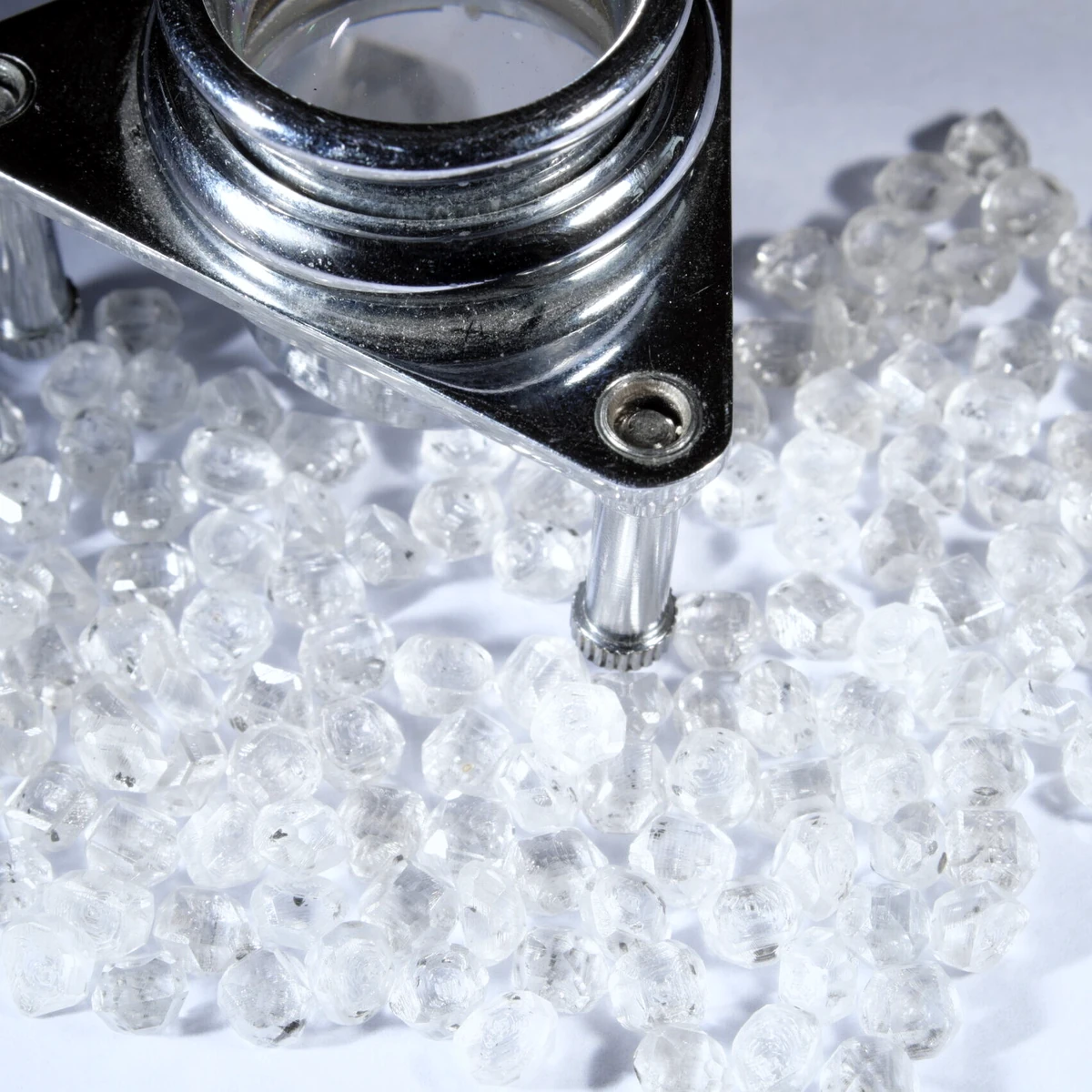
SinoDiam HPHT lab-grown rough diamond crystals showing varying growth features and forms

Representative HPHT rough diamond photograph · individual lots vary

WHY HPHT ROUGH

Select the rough crystal for the intended cut

HPHT lab-grown rough diamonds are supplied as feedstock for subsequent diamond cutting, faceting and selected jewelry manufacturing. Selection should be based on representative lot information and intended processing requirements.

HPHT Growth Process

High Pressure High Temperature growth produces laboratory-grown diamond crystals. Relevant origin or treatment details should be verified for the specific parcel.

Rough Crystal Characteristics

Select by crystal morphology, visible growth structures, inclusions, apparent color and rough size rather than by an assumed polished-stone outcome.

Commercial Grade Position

SinoDiam Grade A and Grade B are internal commercial rough-selection categories; they are not laboratory-issued clarity grades for uncut stones.

HPHT SERIES · TWO SELECTION OPTIONS

Explore the HPHT Rough Diamond Portfolio

The two SinoDiam options serve different commercial inspection priorities. The images illustrate HPHT rough crystal handling and evaluation, not certified grade differences or a guaranteed parcel specification.

GRADE 01 · COMMERCIAL SELECTION
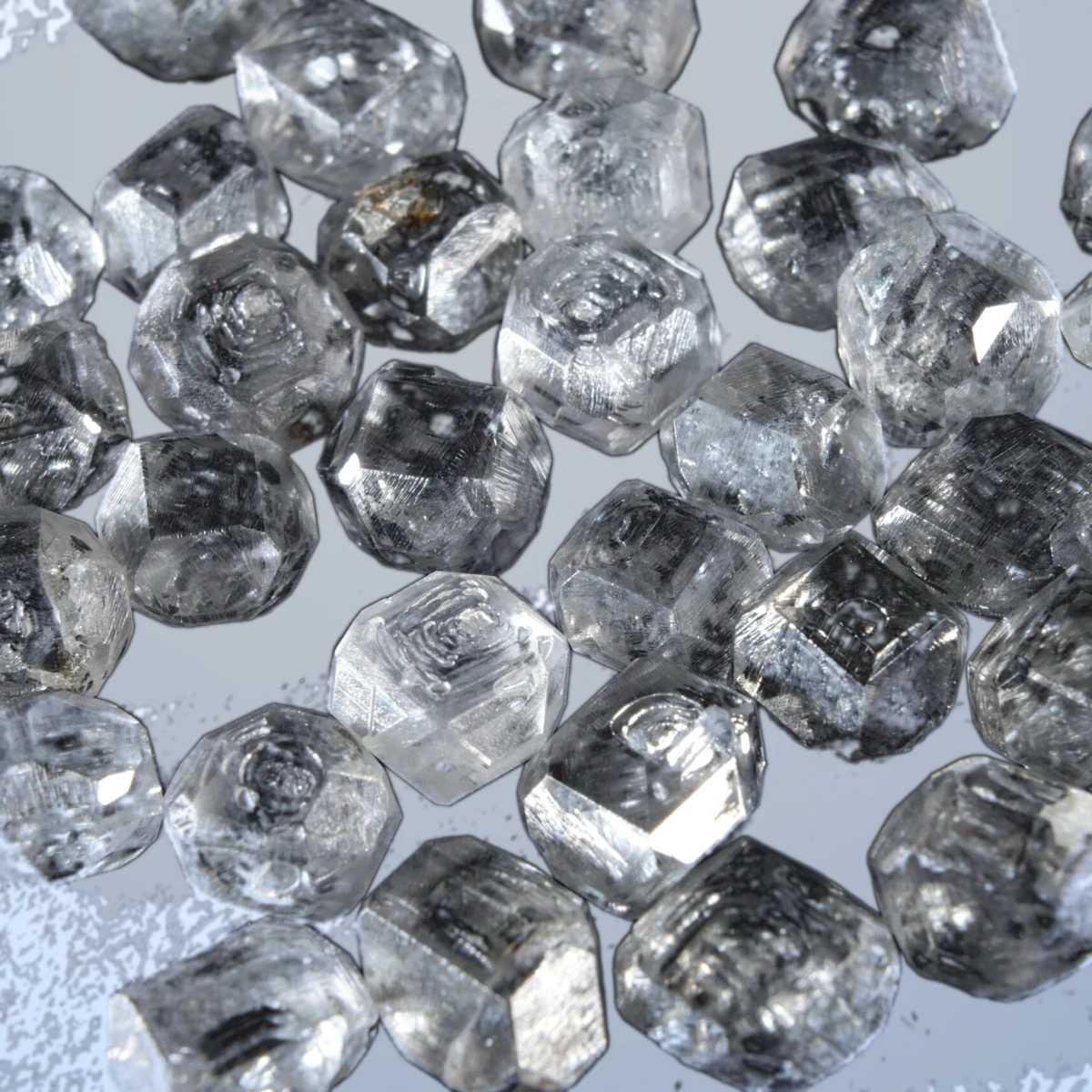
HPHT lab-grown rough diamond crystals examined beside a jeweler’s loupe

Grade B HPHT Rough Diamonds

Commercial visual-selection option

A starting option for commercial cutting and faceting projects where rough shape, apparent color, inclusions, available usable regions and procurement cost must be assessed against the intended product.

Legacy label: SI1–SI2 (historical reference only)

Selection focus: Commercial cutting and faceting trials

View Grade B Product Details →
GRADE 02 · PREMIUM SELECTION

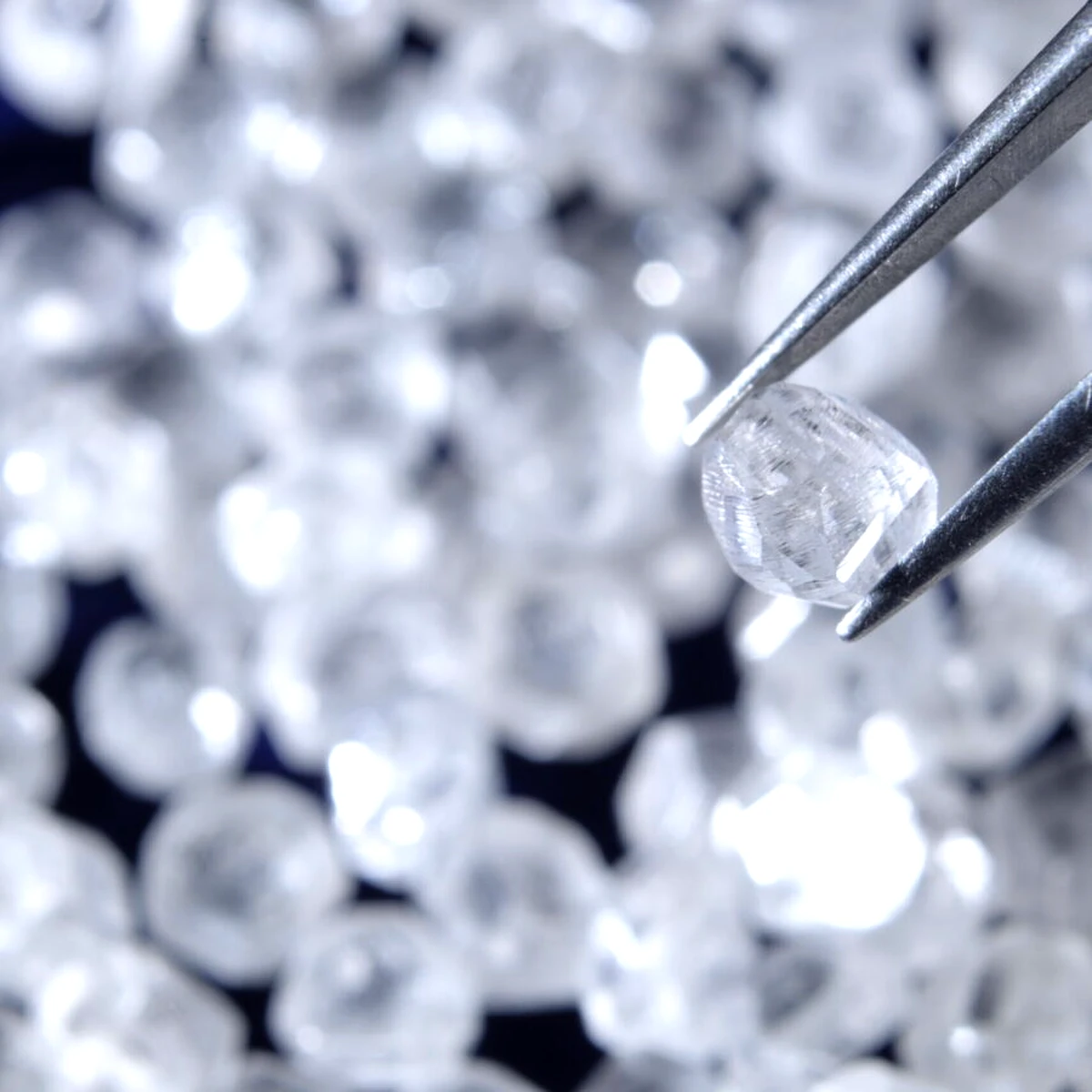
Close-up of HPHT lab-grown rough diamond crystal held with precision tweezers

Grade A HPHT Rough Diamonds

Premium visual-selection option

A selection pathway for buyers evaluating higher-transparency rough and demanding faceting projects. Assess each lot by actual appearance, internal features, dimensions and potential orientation-dependent cut planning.

Legacy label: VS–VVS (historical reference only)

Selection focus: Precision cutting and premium-selection trials

View Grade A Product Details →

TECHNICAL COMPARISON

HPHT Rough Diamond Grades at a Glance

Compare SinoDiam commercial selection positioning and lot-evaluation priorities before reviewing the Grade A or Grade B product specifications.

Grade
Selection Position
Legacy Description
Inspection Priorities
Procurement Focus
Grade B
Commercial visual selection
SI1–SI2, historical label only
Shape, visible inclusions, apparent color, rough size
General faceting and commercial lot evaluation
Grade A
Premium visual selection
VS–VVS, historical label only
Transparency, internal features, dimensions, cut planning
Premium-selection and precision faceting evaluation

Important: SinoDiam Grade A/B are internal commercial selection categories. Earlier SI1–SI2 and VS–VVS descriptions are not certified grades for rough stones and do not predict the grade, yield or appearance of the final polished diamond. Rough weight, color, inclusion characteristics and available documentation must be confirmed for each lot.

APPLICATION SELECTION

Where HPHT Rough Diamonds Are Used

The suitability of a rough diamond is determined by its actual characteristics and intended processing route. A commercial selection label alone does not establish the resulting polished-stone quality.

Commercial Faceting Feedstock

Evaluate representative rough parcels for suitable cutting plans, usable crystal regions, and downstream polishing and finishing needs.

Precision Rough Selection

Assess individual crystal clarity, visible growth features, orientation, size and expected cutting requirements for demanding projects.

Jewelry Manufacturing

Discuss rough diamond sourcing for jewelry production with attention to lot consistency, actual appearance, rough weight and cut-planning requirements.

Wholesale & Sample Procurement

Compare batch quantities, photographs, sample-inspection options, treatment disclosure and shipment requirements before commercial commitment.

GRADE SELECTION

How to Choose the Right HPHT Rough Diamond

Start with your intended polished product and examine the actual rough lot. Neither Grade A nor Grade B is a universal quality guarantee.

STEP 01

Define the end use

Specify the intended cut, approximate finished size, shape, expected quantity and application.

STEP 02

Examine the rough

Review photographs, morphology, color appearance, visible inclusions and rough size distribution.

STEP 03

Compare both selections

Consider Grade B and Grade A against the same lot-level acceptance criteria and intended processing objectives.

STEP 04

Confirm documentation

Request any available lot records, growth or treatment disclosures and sample or inspection details.

STEP 05

Validate the purchase

Confirm quantity, inspection basis, packaging, shipping destination and a quotation for the agreed material.

TECHNICAL FAQ

Frequently Asked Questions

Key considerations for rough-stone selection, commercial labels, inspection and procurement.

What are HPHT lab-grown rough diamonds?

They are synthetic diamond crystals grown through a High Pressure High Temperature process and supplied before final cutting or faceting. Rough crystals require individual evaluation for the intended end use.

How do SinoDiam Grade A and Grade B differ?

Grade B is a commercial visual-selection option; Grade A is positioned for premium visual-selection evaluation. Final requirements must be defined through actual parcel characteristics and agreed inspection criteria.

Does Grade A guarantee a VS–VVS polished diamond?

No. VS–VVS is retained only as a historical marketing reference. SinoDiam Grade A is not a certified rough-stone clarity grade, and polished quality depends on the specific crystal and cutting outcome.

Does Grade B correspond to an official SI1–SI2 clarity grade?

No. SI1–SI2 is a historical commercial descriptor only; it is not a laboratory-issued grade for rough stones or a guarantee of the final polished grade.

What rough weights and colors are available?

Available rough weight, color appearance, size distribution and quantity vary by lot. Earlier materials referenced approximately 0.5–5.0 ct, but current supply must be checked rather than inferred from those older listings.

Are the photographs proof of the supplied grade or a specific parcel?

No. These images are representative HPHT rough-diamond photographs. Buyers should request current lot photographs, appropriate inspection evidence or physical samples for a particular purchase.

What information should a buyer include in an inquiry?

Please include the intended cutting or jewelry application, preferred Grade A or Grade B, target rough weight or dimensions, color or visual requirements, quantity, inspection needs, destination country and delivery expectations.

SINODIAM · TECHNICAL SUPPORT

Discuss Your HPHT Rough Diamond Requirements

SinoDiam supports buyers and manufacturers with selection of HPHT lab-grown rough diamonds for faceting and jewelry manufacturing. Share your preferred commercial grade, intended cut, rough weight or size, appearance requirements, estimated quantity, lot-inspection needs and destination country.

Request Technical Information & Quotation

Email: info@diamondmicron.com

Scroll to Top