Product Overview
SND-MDW Synthetic Micron Diamond Powder for Diamond Wire Saw Manufacturing is a specialty industrial diamond abrasive in SinoDiam’s Micron Diamond Powder product family. It is positioned for manufacturers evaluating diamond particles for fixed-abrasive wire saws and selected precision cutting tools.
Unlike general-purpose micron diamond powders used primarily for grinding, lapping and polishing, SND-MDW focuses on the requirements of diamond wire manufacturing, including particle-size grading, crystal morphology, abrasive exposure and retention within the finished wire construction.
Its principal application direction is electroplated diamond wire, in which diamond abrasive grains are fixed to a wire core through a suitable metal-plating system. The cutting performance of the finished wire depends on the diamond grit, deposition process, grain distribution, coating retention and operating conditions.
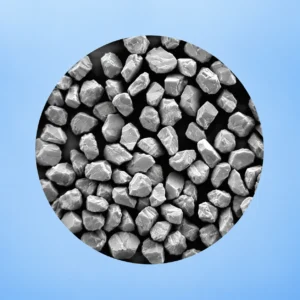
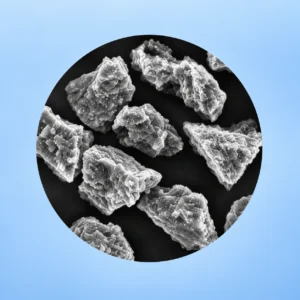
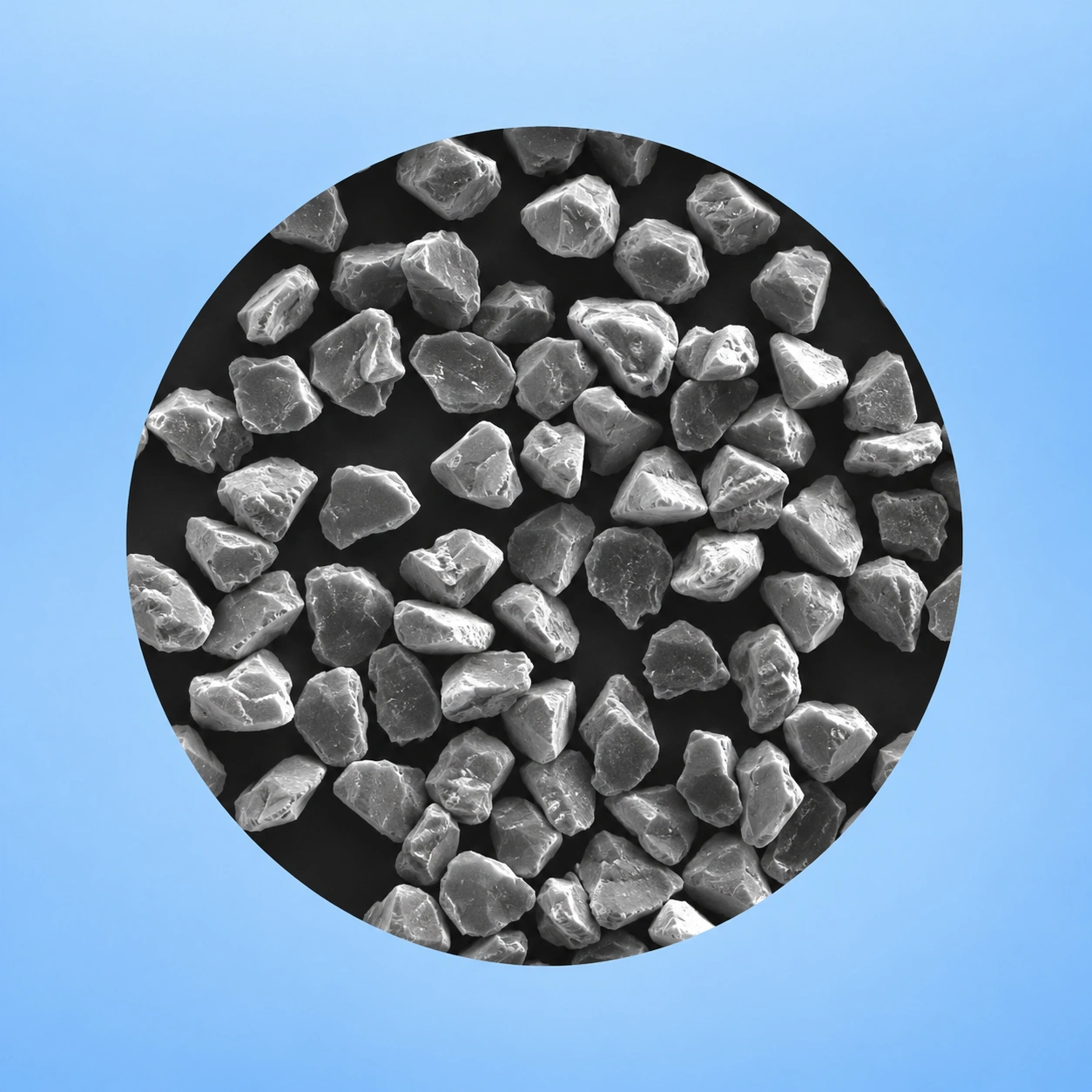
The existing SinoDiam product catalogue describes SND-MDW as synthetic diamond micron powder with blocky-oriented crystal characteristics. Actual particle shape, crystal strength, grading and surface properties should be confirmed for the required size fraction using current technical information.
Potential applications include fixed-abrasive wire saws for silicon wafer slicing, photovoltaic silicon processing, silicon carbide, sapphire and selected hard-and-brittle materials. Each application requires an appropriate wire diameter, abrasive size, grain density and cutting process.
Resin-bond fixed-abrasive wires and selected precision sawing tools may also be evaluated where suitable. Such applications require separate verification of abrasive compatibility, manufacturing conditions and retention performance.
SND-MDW is supplied as loose diamond micron powder, not as a finished diamond wire or saw blade. Nickel-coated or other surface-modified abrasive requirements should be specified separately; coating availability must not be assumed from the SND-MDW designation.
For technical grade selection, provide the intended wire construction, workpiece material, requested micron fraction, particle-size distribution requirements, coating or plating process, estimated quantity and delivery destination.
Technical Specifications
This specification summary describes product positioning and key selection requirements rather than certified performance values. Confirm available micron fractions, particle-size distributions, morphology, crystal-strength data, surface conditions and any coating options using current SND-MDW documentation. No fixed wire life, cutting rate, kerf width, wafer yield, surface roughness or universal bonding compatibility is guaranteed.
Particle Characteristics & Wire-Saw Abrasive Behavior
Diamond wire manufacturing requires an appropriate combination of abrasive cutting action, grain exposure, particle retention and consistency across the wire surface. These characteristics must be considered together.
Crystal Morphology
The catalogue describes SND-MDW as a blocky-oriented micron diamond grade. Actual particle shape influences the contact geometry, cutting-point exposure and mechanical interaction with the deposited metal or other wire-bonding system.
Particle Size Distribution
PSD influences the range of abrasive particle heights on the wire surface. A suitable distribution helps manufacturers evaluate cutting-point consistency, abrasive protrusion and the target wire geometry.
Crystal Integrity & Fracture
Diamond grains experience mechanical loads during wire sawing. Crystal integrity and fracture response should be evaluated according to the selected grit size, cutting pressure, workpiece and desired wire performance.
Abrasive Exposure & Protrusion
The extent to which diamond grains project above the bonding layer affects their participation in cutting. Actual exposure depends on abrasive size, plating thickness, grain distribution and wire manufacturing conditions.
Surface Condition & Cleanliness
Powder surface condition and contamination may influence plating preparation and abrasive retention. Relevant cleanliness requirements should be established for the customer’s electroplating or alternative bonding process.
Grain Retention in the Finished Wire
Diamond retention is a finished-wire property influenced by the abrasive particle, coating or plating interface, deposited layer and operating conditions. A diamond powder specification alone cannot guarantee resistance to abrasive pull-out.
Recommended Diamond Wire Applications
SND-MDW is positioned for manufacturers evaluating micron diamond abrasives for fixed-abrasive wire saws and selected precision cutting-tool systems. Application suitability depends on the workpiece, grit size, wire construction, abrasive retention and cutting conditions.
Photovoltaic Silicon Wafer Slicing
For evaluating electroplated diamond wire used in slicing silicon ingots for photovoltaic wafer production. Abrasive size, wire geometry, grain distribution and operating conditions influence wafer thickness variation, cutting loss and surface condition.
Semiconductor Silicon Processing
A candidate abrasive for selected precision silicon wire-saw applications. Product selection should consider material characteristics, wire construction, abrasive exposure and the required downstream wafer-processing steps.
Silicon Carbide Cutting
For technical trials in suitable diamond wire cutting processes involving silicon carbide. The workpiece properties, cutting loads, abrasive grain durability and required surface integrity may differ significantly from silicon slicing.
Sapphire & Hard-Brittle Materials
Potential use in fixed-abrasive wire saws processing sapphire and other hard-and-brittle materials. Grain selection, cutting parameters and surface-damage requirements should be validated for each application.
Precision Gemstone Sawing
For evaluating diamond abrasives in suitable jewelry and gemstone wire or precision cutting-tool systems. Tool design and grit size should be matched to the gemstone, expected cutting load and allowable material loss.
Specialty Sawing-Tool Development
For manufacturers developing selected fixed-abrasive cutting products where micron diamond grading, particle morphology, exposure and bonding requirements are important to the final tool design.
The applications listed above are evaluation directions, not proof that a single SND-MDW specification is suitable for every silicon, SiC, sapphire or gemstone cutting process. No specific semiconductor qualification, wafer yield, kerf width or cutting-performance certification is claimed.
Micron Size Selection & Particle Size Distribution
The abrasive particle size should be selected according to the target wire diameter, plating or bonding construction, workpiece material, cutting conditions and required surface integrity. The same micron fraction may behave differently in different wire designs.
What Should Be Evaluated in the PSD?
Nominal Micron Fraction: Confirm the required particle-size designation and grading standard. Different suppliers may use different limits for the same nominal size description.
D10, D50 and D90: Where provided, these values help describe the measured particle-size distribution. Comparison requires the same reporting convention and compatible measurement methods.
Oversize Particle Content: Larger-than-expected particles may affect abrasive protrusion and finished-wire geometry. Oversize limits should be selected according to the wire design and application requirements.
Undersize Particle Content: Very small grains may have different exposure and retention behavior depending on the plating layer and the intended cutting process. The acceptable fine tail should be defined for the tool construction.
Particle Shape Distribution: Powders having a similar nominal size may contain different proportions of blocky, angular or elongated grains. Representative microscopy can support comparison.
Measurement & Sample Preparation: Specify how the powder was dispersed and measured. Particle agglomeration and differences in testing procedure can influence reported PSD results.
Historical SinoDiam SND-MDW content mentioned size ranges for different wire applications, but a current verified grade-specific supply list has not been established for this update. Contact SinoDiam for individual size fractions, grading standards and corresponding particle-size specifications. Do not interpret external wire-saw research sizes as guaranteed SinoDiam product availability.
Electroplated Diamond Wire & Bonding Considerations
Electroplated diamond wire performance depends on the complete relationship between the wire core, diamond abrasive grains, deposited metal layer and cutting operation. Powder selection should be evaluated within the customer’s actual wire-manufacturing process.
Nickel-Based Electroplated Wire
Primary application evaluation. Diamond grains may be fixed to a wire core using a nickel-based electroplating system. Particle geometry, surface preparation, plating parameters and nickel-layer thickness affect abrasive distribution and retention.
Diamond Surface Coatings
Nickel-coated, titanium-coated and other surface-modified diamond abrasives may be considered for particular manufacturing routes. SND-MDW should not be assumed to include such coatings unless the specified product variant and current technical documentation confirm them.
Grain Distribution & Wire Geometry
The number, position and exposure of abrasive grains influence cutting behavior. These properties are controlled through the complete wire-manufacturing process and cannot be determined from powder characteristics alone.
Resin-Bond Fixed-Abrasive Wire
Separate validation required. Potential use in resin-bond wire constructions depends on resin chemistry, wire preparation, grain retention, manufacturing conditions and cutting requirements.
Abrasive Pull-Out Evaluation
Wire manufacturers should assess abrasive retention before and after representative cutting trials. Grain loss can depend on plating adhesion, layer wear, abrasive loads and operating conditions.
Finished Wire Qualification
Final assessment may include wire diameter, abrasive distribution, cutting rate, kerf loss, surface damage, grain retention, wire wear and breakage under defined test conditions.
Electroplating suitability does not mean that uncoated SND-MDW automatically meets every plating process. Coating availability, wire bonding compatibility and performance must be verified for the actual abrasive specification and manufacturing route.
How to Compare SND-MDW with Other Diamond Wire Powders
Industrial buyers should compare diamond wire abrasive materials at matching particle-size specifications and under equivalent wire-manufacturing conditions. A direct substitution decision should not depend solely on a supplier’s statement that the powder is designed for diamond wire.
01 / Particle Size & Distribution
Compare the same micron fraction, grading standard, PSD and oversize limits. These factors influence the abrasive population available for fixing to the wire.
02 / Morphology & Crystal Integrity
Compare representative grain shapes and any measured strength or fracture characteristics. Test methods should be consistent when evaluating grades from different suppliers.
03 / Surface Condition & Coating
Confirm whether each product is uncoated or surface-modified. Evaluate surface cleanliness, any coating characteristics and compatibility with the intended electroplating or bonding process.
04 / Finished Wire Performance
Compare cutting rate, grain retention, wire wear, kerf width, wafer quality and material loss using suitable matched wire designs and controlled cutting conditions.
The criteria above provide a practical evaluation framework. They do not establish measured equivalence or a fixed advantage over Hyperion, Engis or any other diamond powder manufacturer. Published research findings concerning coated diamond should not be attributed to SND-MDW without product-specific tests.
SinoDiam Micron Diamond Product Selection
Explore SinoDiam micron diamond powders according to general-purpose grade position or specialized manufacturing process. Diamond-wire feedstock, PCD/PDC feedstock, precision polishing powders and agglomerated abrasives have different technical selection priorities.
General-Purpose Micron Diamond Grades
Specialty Micron Diamond Products
Specialty products are grouped by intended manufacturing application rather than by an overall quality ranking. Confirm the relevant particle and process specifications for each grade.
SND-MDW is a diamond wire manufacturing feedstock option, not a finished wire. Selection should be based on individual micron fractions, abrasive morphology, coating or plating requirements and the intended cutting operation.
Frequently Asked Questions
1. What is SND-MDW micron diamond powder?
2. Is SND-MDW a finished diamond wire saw?
3. Is SND-MDW synthetic or natural diamond?
4. What is the difference between SND-MDW and general-purpose micron diamond powder?
5. Can SND-MDW be used to manufacture electroplated diamond wire?
6. Is SND-MDW already nickel-coated or titanium-coated?
7. What particle sizes are available for SND-MDW?
8. Why is particle-size distribution important in diamond wire manufacturing?
9. What is the difference between diamond crystal strength and wire grain retention?
10. Is SND-MDW suitable for photovoltaic silicon wafer slicing?
11. Can SND-MDW be used for silicon carbide or sapphire?
12. Can SND-MDW be used in resin-bond diamond wire?
13. Does SND-MDW guarantee longer wire life or less kerf loss?
14. How can SND-MDW be compared with another supplier’s diamond wire grit?
15. What information is required for an SND-MDW quotation?
SINODIAM INTERNATIONAL · DIAMOND WIRE ABRASIVE SUPPORT
Request SND-MDW Specifications & Quotation
Looking for synthetic micron diamond powder for electroplated diamond wire saw manufacturing, photovoltaic silicon slicing, silicon carbide cutting or other fixed-abrasive precision sawing applications?
Tell us your required micron fraction, PSD requirements, workpiece material, wire construction, plating or bonding process, coating requirements and estimated quantity.
SinoDiam can discuss available SND-MDW material specifications, appropriate abrasive selection and the technical information needed for manufacturing trials.