
SINODIAM INTERNATIONAL · SPECIALTY DIAMOND MATERIALS
Diamond Compound Pastes
Synthetic diamond polishing compounds for precision lapping, mold and die finishing, and laboratory preparation.
Compare SND210 oil-soluble and SND220 water-soluble compound options. Select the carrier, diamond particle size and abrasive concentration around your workpiece, polishing media and cleaning workflow.
Oil-compatible & water-compatible carriers · Micron diamond abrasive · Formulation-specific selection
WHY DIAMOND COMPOUND
Choose the Abrasive and Carrier Together
Diamond compound consists of diamond particles dispersed in a carrier. Successful polishing requires a suitable combination of abrasive fraction, carrier, polishing medium, workpiece and cleaning procedure.
Diamond Micron Abrasive
Particle size, particle-size distribution and abrasive morphology influence removal behavior and final surface quality.
Oil or Water Carrier
The carrier influences application, polishing-media compatibility, lubrication and cleanup; diamond particles do not dissolve.
Formulation & Concentration
Confirm diamond loading, dispersion, carrier characteristics and package format for the specific compound and polishing stage.
Important: “Oil-soluble” and “water-soluble” describe the carrier systems, not the diamond abrasive. Both carrier and solid abrasive residues should be evaluated during cleanup.
SND SERIES · TWO COMPOUNDS
Explore the Diamond Compound Portfolio
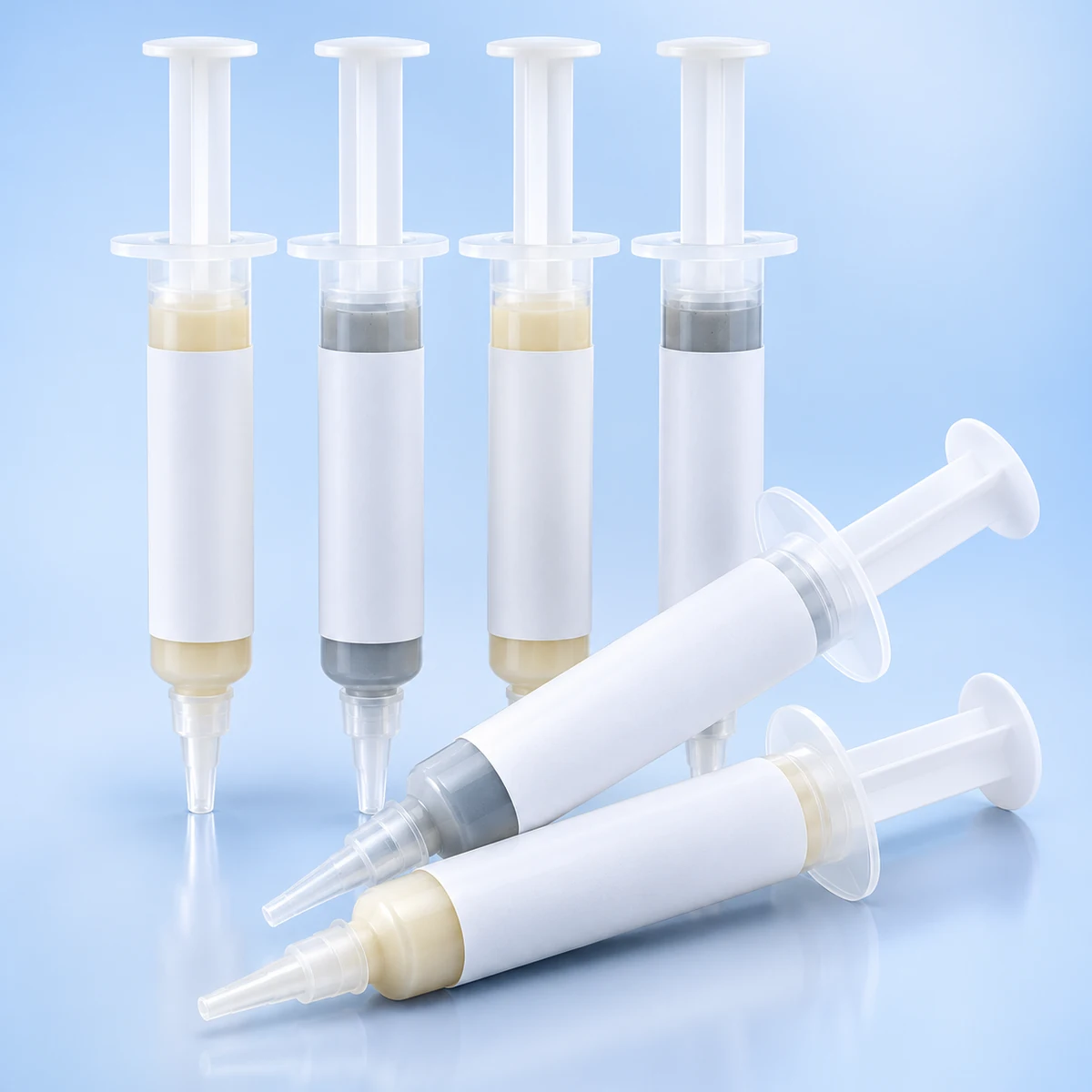
Compare carrier systems and applications, then open each product page for formulation-specific information. The photos are packaging illustrations, not confirmed SND210 or SND220 batch photos.
PRODUCT 01 · OIL-COMPATIBLE CARRIER

SND210 Oil-Soluble Diamond Compound
Carbide die finishing · Mold and die polishing
SND210 is a synthetic diamond polishing paste with an oil-compatible carrier for selected carbide dies, mold inserts and precision lapping operations. Select the abrasive fraction and concentration in conjunction with the polishing medium and cleaning method.
Specification note: Supplier-listed reference: 0.25–50 μm; verify available fractions
View SND210 Product Details →PRODUCT 02 · WATER-COMPATIBLE CARRIER

SND220 Water-Soluble Diamond Compound
Metallographic preparation · Laboratory lapping
SND220 is a synthetic diamond polishing paste with a water-compatible carrier for selected metallographic cross sections, technical ceramics and precision laboratory preparation. Verify specimen water sensitivity, abrasive PSD, carrier compatibility and residue removal.
Specification note: Nominal size options and concentration: verify by current formulation
View SND220 Product Details →TECHNICAL COMPARISON
Oil-Soluble vs. Water-Soluble Diamond Compound
Carrier compatibility is the primary distinction. Neither compound is universally more effective: compare diamond abrasive properties and the complete polishing workflow.
This comparison describes technical selection considerations. It does not establish guaranteed polishing performance, contamination level, package sizes or available stock.
PARTICLE SIZE & FORMULATION
How to Select Micron Size and Diamond Concentration
Nominal micron labels are only a starting point. Confirm particle-size distribution (PSD), oversize control, diamond content and carrier properties for the intended finishing stage.
Fine Finishing · 0.25–3 μm
A general starting band for selected late-stage surface refinement, where abrasive oversize and polishing-media cleanliness are important.
Intermediate · 3–15 μm
A general starting band for controlled material removal and surface improvement following earlier preparation.
Pre-Finishing · 15–50 μm
A coarser reference band for selected earlier lapping stages where further surface refinement is expected.
Light Concentration
A lower abrasive-loading category that may be evaluated for suitable finishing operations; actual diamond content must be confirmed.
Medium Concentration
An intermediate loading category to evaluate along with the compound viscosity, abrasive size and removal target.
Heavy Concentration
A higher loading category for selected polishing requirements; it does not by itself guarantee faster removal or finer finish.
Specification note: These micron bands are application examples, not a verified stock list for SND210 or SND220. Light / Medium / Heavy are descriptive concentration categories, not universal diamond wt% standards. Request the formulation and reporting basis.
APPLICATION SELECTION
Industrial Lapping & Polishing Applications
The recommended product families below are selection starting points. Test on representative workpieces to validate the polishing results and cleaning requirements.
Carbide Drawing Dies
Evaluate SND210 in selected cemented-carbide die finishing where lap media, abrasive size and cleaning are compatible.
Mold & Die Finishing
Oil-compatible compound may suit selected precision mold inserts, local surface correction and toolroom polishing.
Precision Toolroom Lapping
Consider SND210 for selected hard tooling components using a validated lapping medium and control of the finishing stage.
Metallographic Preparation
Evaluate SND220 with compatible specimen materials and polishing cloths for selected cross-section preparation.
Technical Ceramic Finishing
Selected technical ceramics may be tested with an appropriate diamond abrasive fraction and carrier compatibility.
Laboratory Cross-Sections
Evaluate SND220 for suitable laboratory specimen preparation, with separate checks for scratches, embedding and contamination.
Direct semiconductor wafer production, universally scratch-free finishing and cleanroom qualification are not established solely by these compound descriptions.
COMPOUND SELECTION
How to Choose the Right Diamond Compound
Start with the whole finishing process rather than the product name or a nominal grit value.
STEP 01
Define the workpiece
Describe the material, prior finish, process stage, water sensitivity and target surface quality.
STEP 02
Select the carrier
Compare oil-compatible and water-compatible application, polishing media and post-process cleanup.
STEP 03
Specify the diamond abrasive
Define target micron size, PSD or oversize criteria, diamond type and loading basis.
STEP 04
Review dispensing & cleaning
Confirm packaging requirements, viscosity or handling constraints and how residues will be removed.
STEP 05
Validate with trials
Evaluate removal behavior, scratches, surface quality and repeatability on representative samples.
Diamond or CBN? Diamond is suitable for many hard and abrasive materials, such as selected cemented carbides and ceramics. For certain hardened ferrous materials, a CBN-based abrasive may be preferable. Do not assume that SND210 or SND220 includes CBN unless separately confirmed.
TECHNICAL FAQ
Frequently Asked Questions
Key answers about carrier systems, abrasive selection, concentration and realistic polishing outcomes.
What is a diamond polishing compound?
It is a lapping or polishing paste containing solid diamond abrasive particles in a compatible carrier. The compound must be selected according to the target material, polishing medium and finishing stage.
What is the difference between SND210 and SND220?
SND210 is the oil-soluble compound family and SND220 is water-soluble. The major distinction is the carrier compatibility; each requires a separate assessment of particle size, concentration, polishing media and cleanup.
Does water-soluble diamond compound dissolve completely?
No. The water-compatible carrier may dissolve or disperse, but diamond abrasive particles remain solid and require suitable removal after processing.
Which diamond micron size should I choose?
Begin with the substrate and the preparation stage. Finer micron fractions may suit selected final finishing, while coarser fractions may support earlier lapping. Confirm the actual PSD and oversize-control requirements.
Do Light, Medium and Heavy have standard diamond percentages?
No. These are supplier-defined concentration categories. Request actual diamond loading and the unit or reporting basis before comparing formulations.
Can SND210 and SND220 be mixed together?
Do not assume carrier compatibility. Mixing oil-based and water-compatible formulations can alter viscosity, abrasive dispersion and cleanup; request formulation-specific guidance.
Does a fine diamond paste guarantee mirror polishing or residue-free results?
No. Surface finish and cleanliness depend on the workpiece, abrasive properties, polishing cloth or lap, applied pressure, contamination and validated cleaning procedure.
Can SND220 be used for metallographic preparation?
It can be evaluated for selected metallographic specimens with compatible cloths and water-safe materials. Validate scratch, embedding, corrosion and cleanliness requirements before routine use.
What packaging and concentrations are available?
Past catalogues describe multiple syringe, tube and jar options and different concentrations. Current packaging, net weight, individual micron fractions and diamond-loading levels must be confirmed.
What should buyers include in an inquiry?
Share the workpiece, lapping or polishing method, required micron size, PSD, diamond concentration, carrier preference, packaging, expected quantity, delivery destination and target finish.
SINODIAM · TECHNICAL SUPPORT
Discuss Your Diamond Compound Requirements
SinoDiam supports specification-led selection of SND210 oil-soluble and SND220 water-soluble diamond polishing compounds. Send us the substrate, polishing medium, micron size, concentration, cleaning requirements, target surface finish, estimated quantity and destination country.
Request Technical Information & QuotationEmail: info@diamondmicron.com